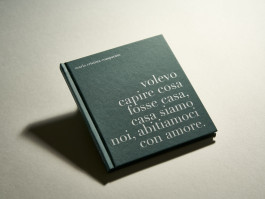
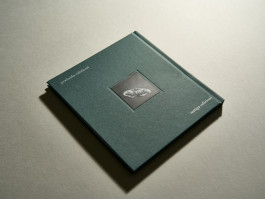
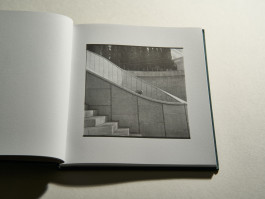
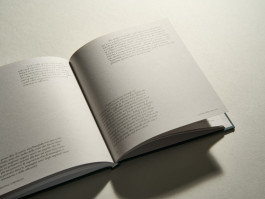
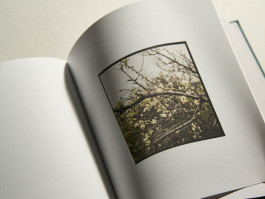
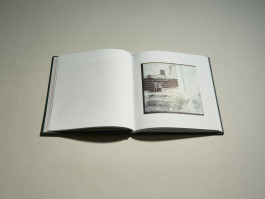
A monography which revisits the archive of Apulian photographer Cristina Comparato, tracing her gaze and lines of inquiry. The volume presents a selection of analog images—both black-and-white and color—that engage with the central themes of her research and wanderings: the landscape, small towns, her native coastline, and the beloved Apennines. In the years preceding her untimely death, Comparato experimented tirelessly with film and a range of formats, favoring the Hasselblad, while reflecting on the relationship between memory and the perception of place, as well as on the very meaning of “home.” What emerges is a disenchanted, almost literary, and deeply empathetic perspective, turned toward an Italy that struggles to align with the semantics of progress: frank, melancholic, rugged yet generous, composed of open horizons, uncultivated lands, fragments of places, and poetic glimpses.The volume is enriched by excerpts from her diaries and by a poem dedicated to the ferula, a cherished flower.
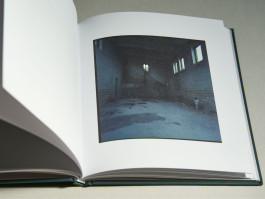
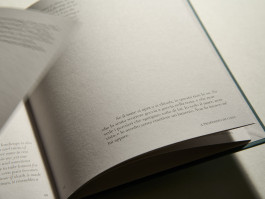
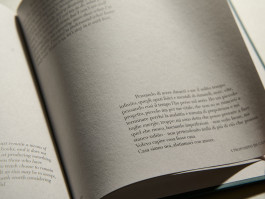
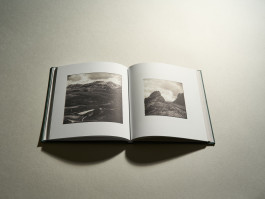
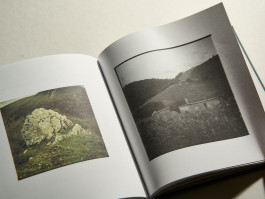
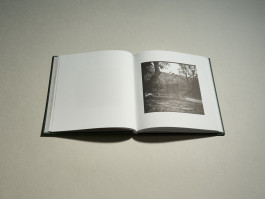
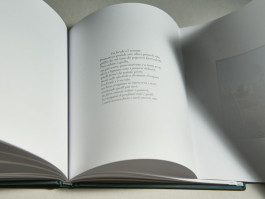
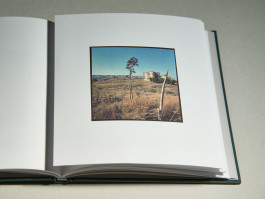

A monography which revisits the archive of Apulian photographer Cristina Comparato, tracing her gaze and lines of inquiry. The volume presents a selection of analog images—both black-and-white and color—that engage with the central themes of her research and wanderings: the landscape, small towns, her native coastline, and the beloved Apennines. In the years preceding her untimely death, Comparato experimented tirelessly with film and a range of formats, favoring the Hasselblad, while reflecting on the relationship between memory and the perception of place, as well as on the very meaning of “home.” What emerges is a disenchanted, almost literary, and deeply empathetic perspective, turned toward an Italy that struggles to align with the semantics of progress: frank, melancholic, rugged yet generous, composed of open horizons, uncultivated lands, fragments of places, and poetic glimpses.The volume is enriched by excerpts from her diaries and by a poem dedicated to the ferula, a cherished flower.


Steve Bisson is an educator, curator, and writer.
He is the Chair of Photography at the Paris College of Art and co-founder of the international program Blurring the Lines, which fosters intra-academic dialogue and recognizes outstanding graduate work in photography and the visual arts. He is also the founder of the Urbanautica Institute, an online visual anthropology journal that has become a key reference for scholars and photography enthusiasts.
Bisson serves as Editor-in-Chief of the publishing house Penisola Edizioni and as Art Director of Lab27, a cultural center that advocates for issues at the intersection of image-making, photography, and society.
Over the past two decades, Steve Bisson has curated more than a hundred events—including exhibitions and festivals—and authored numerous essays and publications. He has collaborated with cultural and educational institutions worldwide and continuously questions the role of images in society.
• Coaching and Portfolio Review
Go to Coaching and Portfolio Review page
Steve Bisson has been delivering lectures, mentoring, and collaborating extensively with leading cultural and educational institutions around the world for the past 15 years and leaning to the understanding of the cultural and social dynamics associated with photography. In 2016, in collaboration with Klaus Fruchtnis, he co-founded Blurring the Lines, an academic network that fosters talent and dialogue in the visual realm.
—
Design by Roberto Vito D'Amico
Photo by Ali Ghorbani Moghaddam

Steve Bisson is an educator, curator, and writer.
He is the Chair of Photography at the Paris College of Art and co-founder of the international program Blurring the Lines, which fosters intra-academic dialogue and recognizes outstanding graduate work in photography and the visual arts. He is also the founder of the Urbanautica Institute, an online visual anthropology journal that has become a key reference for scholars and photography enthusiasts.
Bisson serves as Editor-in-Chief of the publishing house Penisola Edizioni and as Art Director of Lab27, a cultural center that advocates for issues at the intersection of image-making, photography, and society.
Over the past two decades, Steve Bisson has curated more than a hundred events—including exhibitions and festivals—and authored numerous essays and publications. He has collaborated with cultural and educational institutions worldwide and continuously questions the role of images in society.
• Coaching and Portfolio Review
Go to Coaching and Portfolio Review page
Steve Bisson has been delivering lectures, mentoring, and collaborating extensively with leading cultural and educational institutions around the world for the past 15 years and leaning to the understanding of the cultural and social dynamics associated with photography. In 2016, in collaboration with Klaus Fruchtnis, he co-founded Blurring the Lines, an academic network that fosters talent and dialogue in the visual realm.
—
Design by Roberto Vito D'Amico
Photo by Ali Ghorbani Moghaddam